
Meet the Artisans Behind Shiva Urban
Behind every Shiva Urban bag are skilled Balinese artisans and a weaving tradition that began long before Bali's woven handbags became fashionable worldwide. Their story begins not with handbags, but with a village craft deeply rooted in Bali.
Long Before the Bali Bag

Tenganan Village (Photo credit: Parigi-Gringsing-Slonding: Desa Swabudaya Tenganan, Institut Seni Indonesia Denpasar, 2022)
Every handmade Shiva Urban bag begins in Tenganan, a historic village in the Karangasem Regency of East Bali, known for its distinctive traditions and craftsmanship.
For generations, families in this part of Bali used ata, a strong climbing vine found on the island, to create objects for their homes, communities, and ceremonies. They wove baskets, trays, containers for offerings, and other practical household pieces. Women traditionally did much of this household weaving.
In other words, Balinese artisans didn't learn to weave because Bali bags became fashionable. Today's bags grew from a much older village craft.
The beautiful woven handbags we carry today are a modern expression of skills that were already part of everyday life in Bali. You can still see that connection to traditional basketry in pieces such as our Vintage Vibe, with its structured, handwoven form.
The cultural importance of the craft has also been formally recognized. In 2021, Karangasem ata craftsmanship was designated part of Indonesia's Intangible Cultural Heritage.
From Village Craft to Handbag
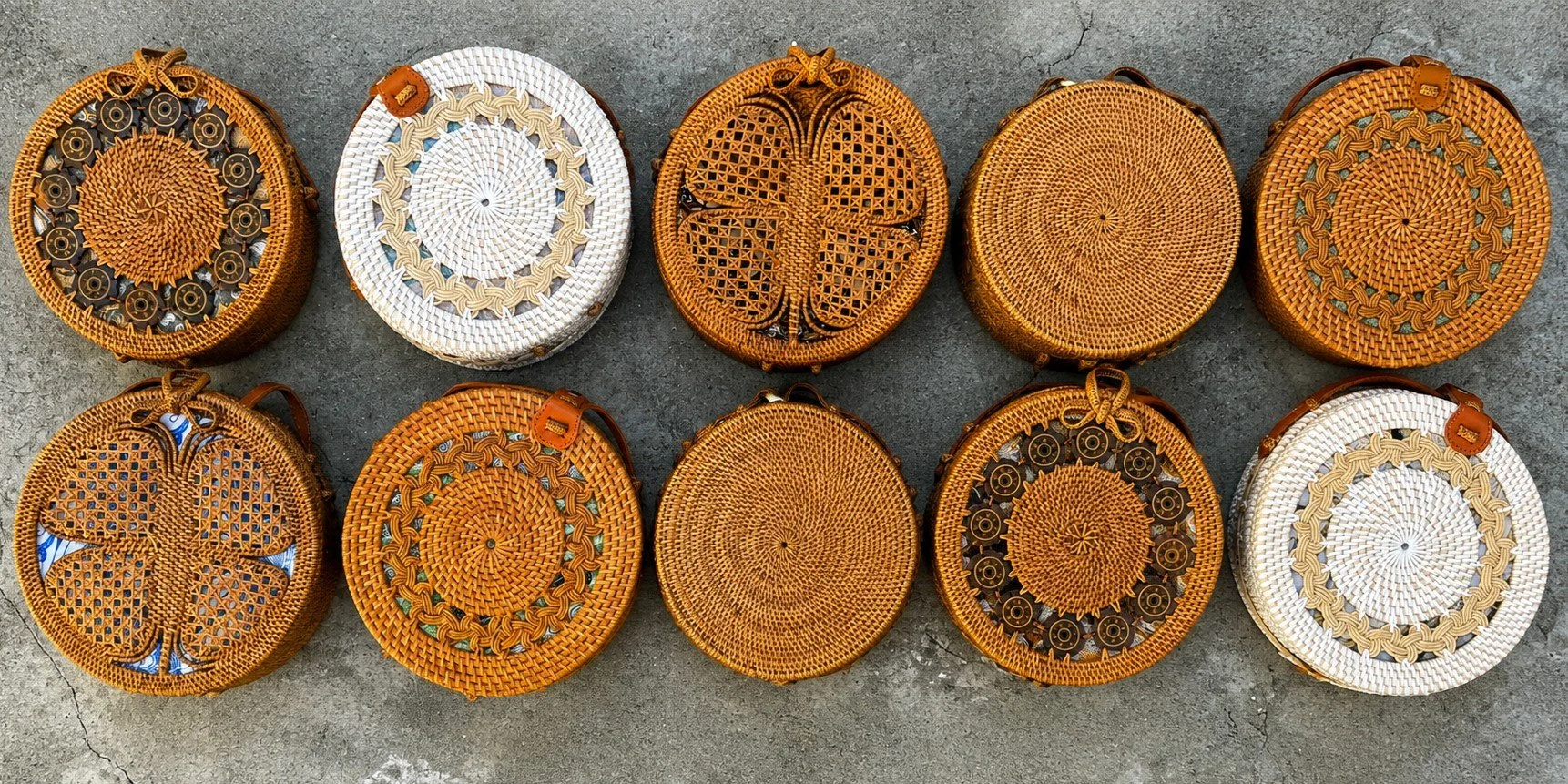
Shiva Urban: Handmade Crossbody Bags
As travelers began visiting Bali in greater numbers during the late 20th century, they became interested in the woven pieces they encountered in villages such as Tenganan.
Local artisans began adapting their traditional skills into new shapes and functional objects that visitors wanted to take home.
One of the people documented in this history is I Nengah Kedep, a Tenganan artisan recognized for helping develop the craft in new directions. Around the 1980s, he began creating different forms and products in response to growing interest from visitors. Other Balinese artisans contributed to this evolution as well. Traditional weaving was gradually adapted into an expanding range of products, including handbags.
By the 1990s, ata crafts from Karangasem and this part of East Bali were reaching international markets.
Over time, these woven forms evolved into the beautiful baskets and handbags now associated with Bali around the world. Today's artisans continue to interpret the craft in many different forms—from classic basket-inspired handbags to more contemporary designs such as our Nantucket Coast.
So, when we talk about a handmade Bali bag, there is a much richer story behind it than simply saying it was made using a traditional technique. The handbag itself may be relatively modern, but the knowledge and craft that made it possible came first.
The People Behind Shiva Urban
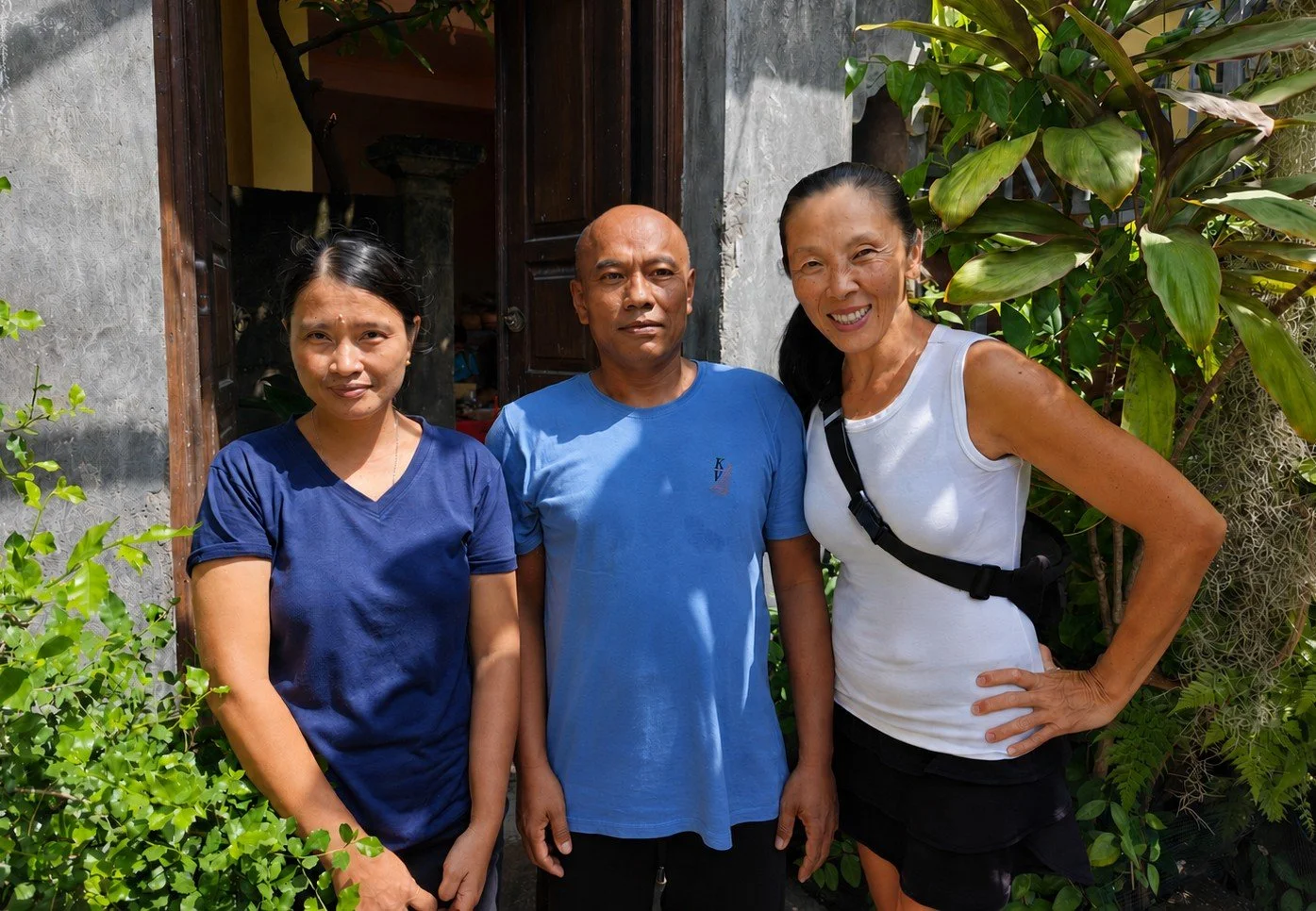
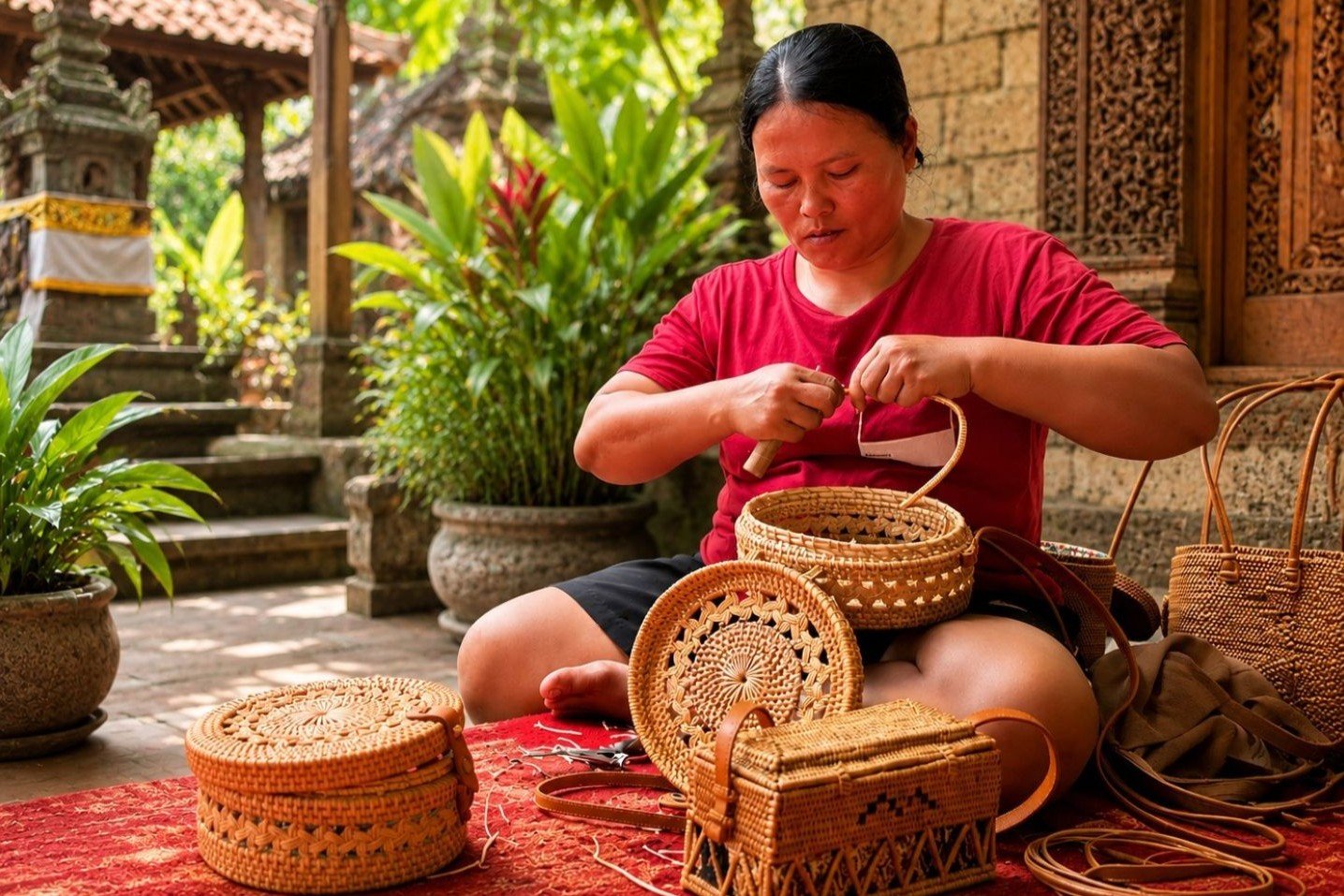
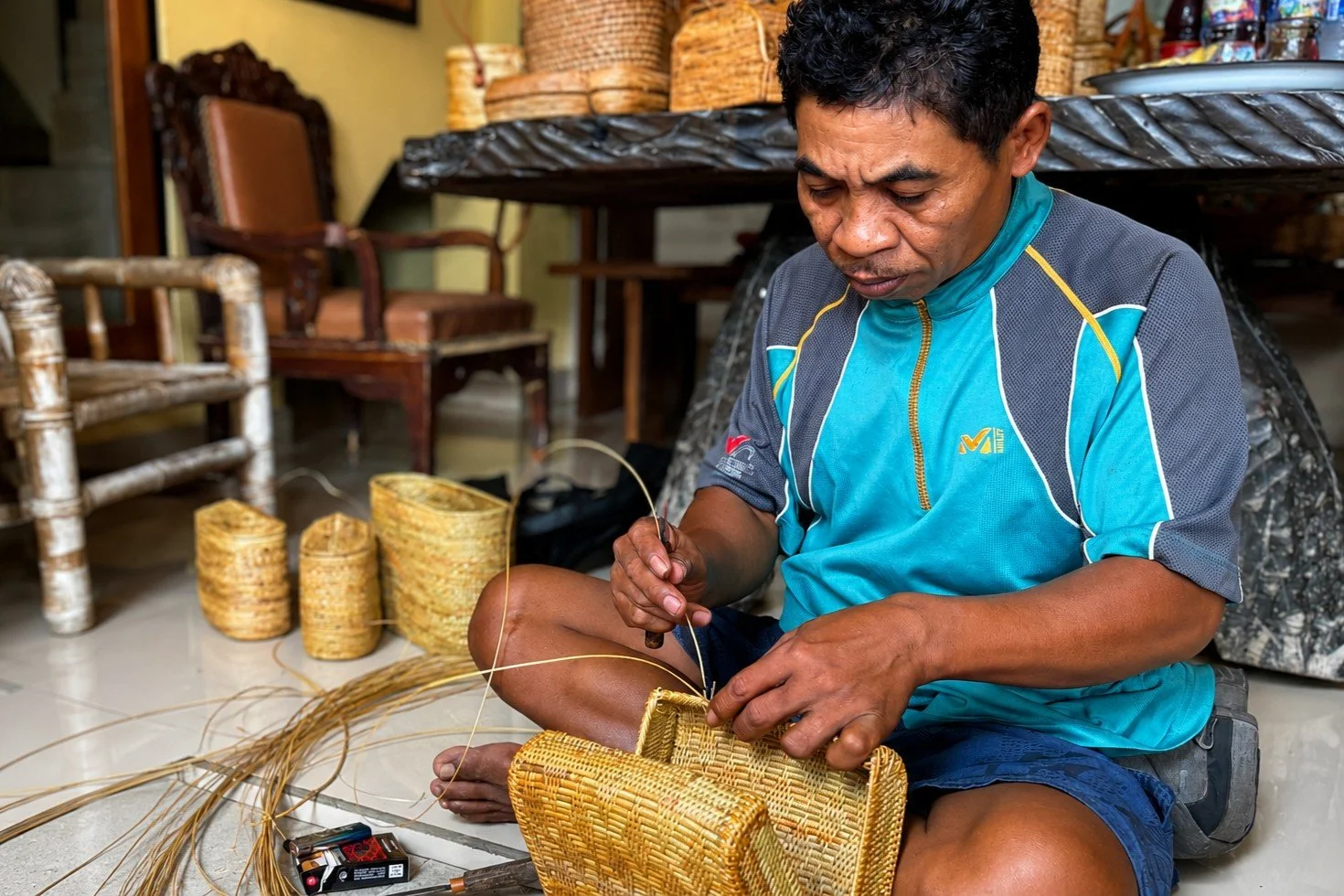
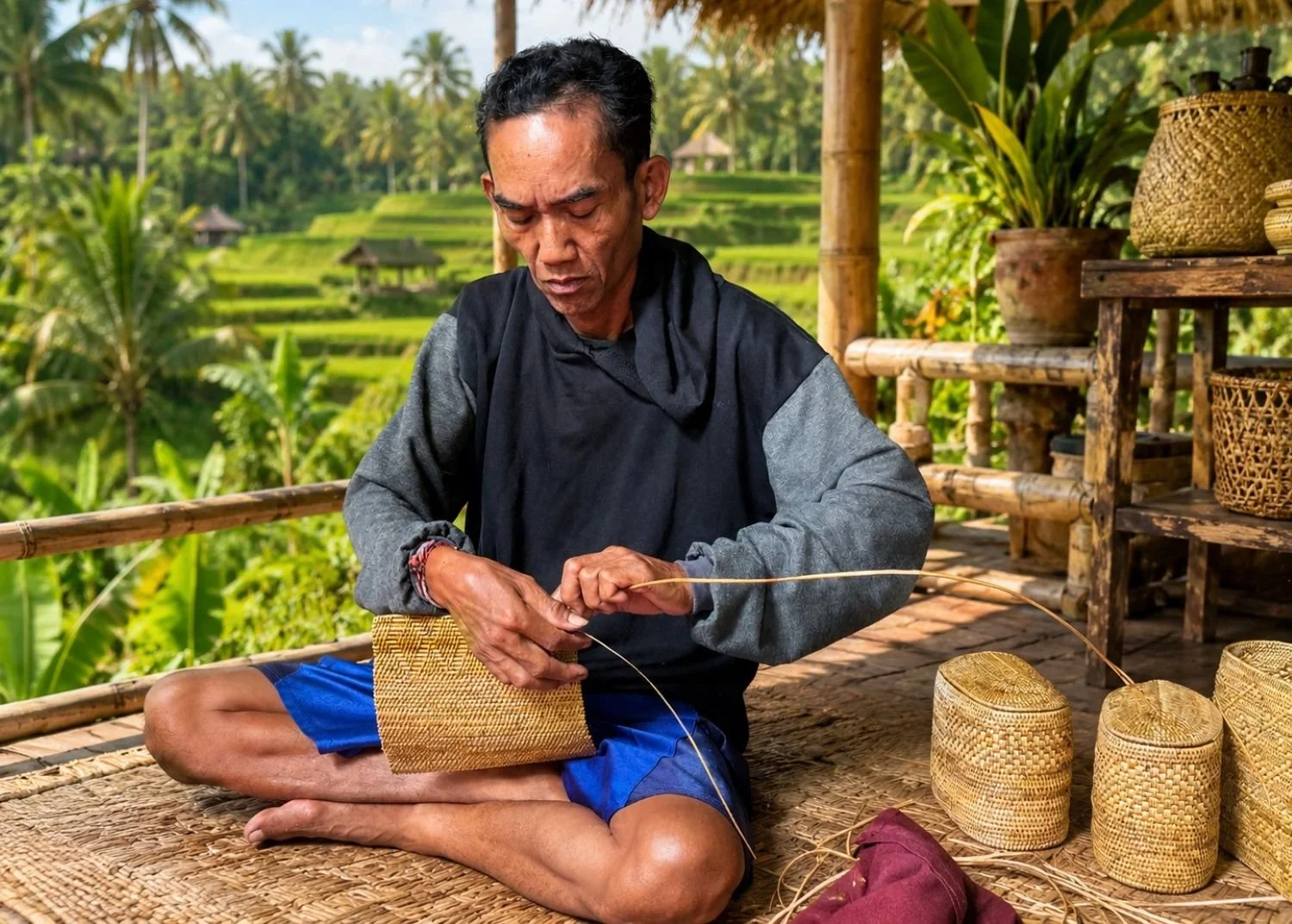
Today, Shiva Urban works directly with Mr. Putu and his wife, along with a small group of local Balinese weavers in the Tenganan area. These are the people behind our bags, and I am proud to work with them.
For me, this relationship is also personal. I was born and raised in Indonesia, and after living in the United States for many years, I wanted to reconnect with my Indonesian roots and find a meaningful way to support people in the country where I was born.
That desire became part of the reason I created Shiva Urban: to share Indonesia's beauty, culture, and craftsmanship through handmade Bali handbags while supporting the artisans whose work makes each bag possible.
When you choose one of our handmade Bali bags, you're not simply choosing a beautiful woven handbag. You're supporting the work of our artisans and their families while helping create continued demand for a craft that has been part of this corner of Bali for generations.
And that, to me, is what makes these bags truly special.
Thank you for supporting handmade and the Balinese artisans behind every Shiva Urban bag.